
This is a guest post written by Greg Rollett from Rock Star Lifestyle Design. I reached out to Greg months ago while first looking at what it was to design your lifestyle. He’s been an awesome resource, down to earth and excited. He gives us some great tips on how to stay on track with our goals here, perfect reminders for wherever you are in designing your life.
Essentially lifestyle design boils down to how effectively you use your time, and the emotions you get from spending that time.
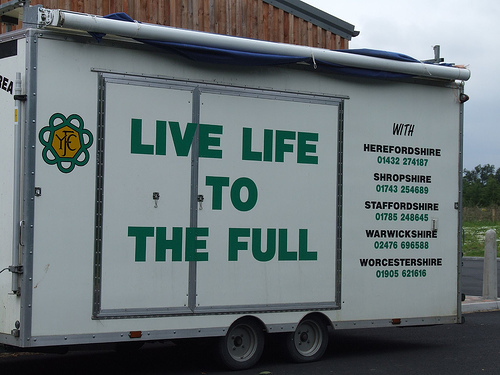
photo by nationalrural
I was sitting in on a mastermind call this week, and the moderator said something that truly clicked with me, and will hopefully click for the rest all of you,
I am about to spend life. Is my life worth spending on “this.”
Now look at what you are doing right now – you could be reading posts, or checking your Twitter account, writing a report, spending time with your family or friends, playing video games, traveling, checking email – you get my point. Now reread the sentence above. Is my life worth spending on this?
Let’s do a quick exercise. Count to 10.
1, 2, 3, 4, 5, 6, 7, 8, 9, 10.
That is 10 seconds you can never get back. Ten seconds you could have spent getting on the treadmill, writing a post, meeting a new contact, sitting on the couch – you get it now right?
There are countless programs that teach time management and I bet in your 9-5 you were spoon fed a program that was to work with all the employees at the company. At your new freedom business, or internet lifestyle you have been tossed ideas of how to spend your time from outsourcing to inbox zero to GTD.
It Doesn’t Matter
I’ve read them all, taken online classes and attended countless seminars and they have all lead me back to the same place. That place is my Firefox open with tons of tabs, GMail open so I see my inbox numbers grow, Tweetdeck chirping every 30 seconds and a phone that likes to buzz every few minutes.
We all fall back on the systems that are familiar to us. We keep the email open to see new orders come in, or client requests. We hope that a cool Tweet pops up that takes us to a new blog or person. We open links in new tabs with the hopes of reading them in a few minutes and two days later discover that they are still there and if I close it I may never find it again. We bookmark, Stumble and Digg with tags that are great in intention, but when we need that one post for reference for something we are writing we are back in Google doing countless searches for keywords that make no sense to any human and gives webmasters that Tweet that says, “someone just found my site using the keyword ‘how to make love to twitter with a butter knife + mashable + orlando in 2009’.”
Damn that ADD
There’s only about 4.5 million people with ADHD in the U.S. (study from 2006). So what’s the problem with the rest of us?
Information overload is a start. How many blogs are in your RSS Reader? How many people’s Tweets do you look at? How many emails do you get everyday?
Processing this information is crucial to not only your growth, but also to get a hold of your life and come to peace. I don’t think minimalism is the answer. I think it lies in values and priorities. In order to be truly happy and live your ideal lifestyle, you need to do things that align with your values. If you value making money, you need to quit being a social media whore and start getting business. If you value family, what can you do to make every moment in your life more valuable for your family?
The Right Solution For You
As someone who has gone through many programs I have decided that there is no cut and paste system that is going to work for me, but I know a few things that can get people to notice when they are not spending their life to their fullest.
Write down when you catch yourself not doing something you care about. I make little check marks on a scrap piece of paper every time I catch myself web surfing, daydreaming or checking email excessively. This will get you to think of your actions more carefully.
Reward yourself. You need you time and that needs to be implemented into your day. Whether its an hour chunk or a few 15 minute breaks, be sure to give yourself time to relax and entertain your brain.
Get something important done before lunch. Tim Ferriss says to do it as the first thing in your day, but I say give it till lunch. When you eat you will feel more accomplished and will be excited to get back to whatever it is you spend your time doing.
Write important things down and post at your desk. This really changed the way I have done things. I have a personal statement and business vision printed at my desk and I glance at it constantly. What it does is look me in the mirror and ask if what I am doing aligns with these statements and wil progress me closer towards a goal or purpose. It works freakishly good.
Tell people your goals. When you tell people your goals, they are prone to ask you about them in conversation. When they ask about a project you told them about and 3 weeks go by, you should have made some progress right? If not, they are going to call you off and not take your idea seriously. That’s powerful. Show them you mean it and if you work hard you will have something to report.
How Do You Manage Your Time
Everyone has different ideas and views and I want to know what works for you. Do you have an application or a technique that can benefit people? Let us know in the comments. When building a business, learning from the wins and losses of others is one of the best things you can do, so please let’s share and help each other grow.
Greg is helping young people find their passion and grow their brand in the new Rock Star Business Series. Sign-up or say hey to Greg on Twitter.